
Negotiating for Success
Join us for the 18th Annual Women's Faculty Development Conference
Friday, January 30, 2026 | 8:30 a.m. – 5 p.m. | Main Lounge, Iowa Memorial Union
Registration is open!
Early Bird Registration
(paid by Dec. 22, 2025): $50
Registration
(Dec. 23, 2025 - Jan. 15, 2026): $60
Registration
(Jan. 16, 2026 - at the door): $75
Payment accepted by MFK or check. No refunds.
Send MFK information to faculty@uiowa.edu.
Send checks, payable to UI Women Faculty Development Conference to Attn: WFDC, Office of the Provost, 111 Jessup Hall, Iowa City, IA 52242
Schedule
8:30-9:15 am
Light refreshment available.
9:15-9:30 am
9:30-11:30 am
15 minute break
11:30-12:45 pm
Networking lunch with leadership. Remarks by President Barbara Wilson at noon.
1-2:15 pm
Choose from four sessions, offered twice, listed below.
2:30-3:45 pm
Choose from four sessions, offered twice, listed below.
4-5 pm
PANEL: Dan Clay (Education); Denise Jamieson (Medicine); Jill Kolesar (Pharmacy); and Ann McKenna (Engineering)
MODERATOR: Amy Kristof-Brown (Business)
Join us for an engaging and candid conversation as our panel of deans reflect on their experiences navigating a wide range of negotiations—from budget talks and faculty recruitment to institutional partnerships and policy decisions.
This panel will explore:
• Lessons learned from high-stakes and everyday negotiations
• Strategies for overcoming roadblocks and resistance
• Practical advice for negotiating with confidence and clarity
• Personal growth and evolving perspectives as academic leaders
Morning Workshop
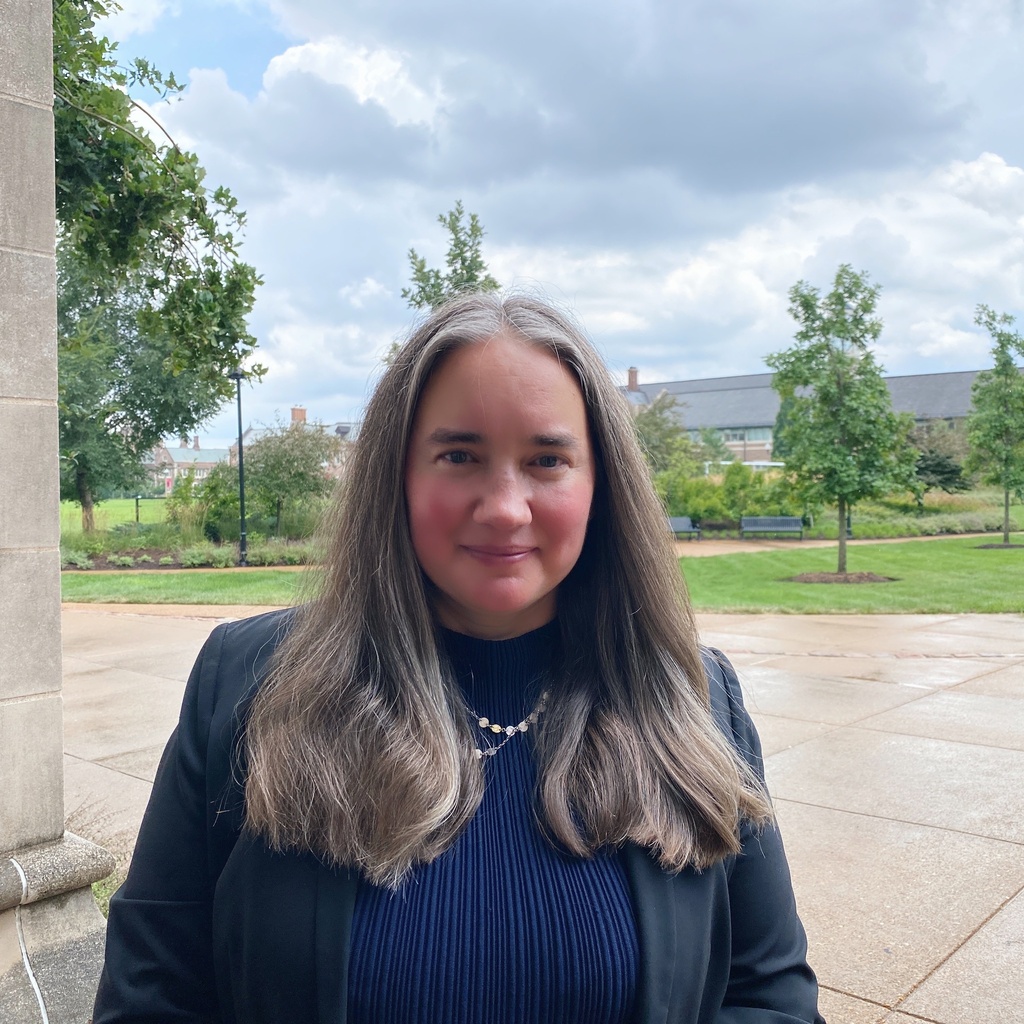
Negotiating for Workplace Success
Rebecca Hollander-Blumoff will highlight key role negotiation plays in navigating interactions at work, both within an organization and with external parties. You will learn the most important structural elements of negotiation and focus on how to approach negotiation situations ready to apply this framework. We will discuss psychological phenomena critical to conducting negotiations successfully, including negotiation styles, heuristics and biases, effects of individual differences, and emotional intelligence and empathy.
Negotiation expert Rebecca Hollander-Blumoff is a professor at Washington University School of Law. Her work focuses on law and psychology in the context of dispute resolution. Prof. Hollander-Blumoff received her AB and JD from Harvard University and a Ph.D. in social psychology from New York University. She teaches negotiation skills for executive and professional groups including the Women’s Leadership Forum, the Professional Leadership Academy & Network, and the Academic Medical Leadership Program at Washington University, and regularly speaks on negotiation to a variety of executive and professional audiences. She also teaches negotiation classes at The Brookings Institution in Washington DC for government employees from the State Department, the Office of Naval Intelligence, and other agencies. She has presented her scholarly work at venues including Harvard, Yale, Stanford, Oxford, and the World Bank. Before entering academia, Prof. Hollander-Blumoff clerked for a federal district court judge and practiced law at a New York City firm specializing in white collar criminal defense. She served as a Vice Dean of the law school from 2017-2019, and has been a Visiting Professor of Law at Notre Dame Law School and Harvard Law School.
Afternoon Breakout Sessions

Going up for the Next Promotion
In this session, experienced administrators and senior faculty will present and guide discussion about the process of promotion at UI. Participants will gain strategic insights into dossier development, key opportunities, and navigating institutional processes with confidence. Small-group discussions will invite participants to talk through their experiences and questions with peers from across the university.

Practicing Negotiation Strategies by Trading Athletic Cards
This workshop demonstrates how differences in knowledge and rules of the game impact negotiations and the ability to accomplish one’s goals. Participants will trade athletic cards to learn how rules of deliberation, control of information, and identifying goals impact the allocation of limited resources. Additionally, participants will learn negotiation strategies that can be used in their efforts to achieve their goals.

Connectivity, Relationality and Autonomy in the Workplace: Taking an Improvisational Stance
Participants in this improvisational workshop will explore connectivity, relationality, and autonomy in the workplace. We will turn to practices and theories of improvisation to consider how to participate in groups in ways that honor the vitality rights of those involved. No background with improvisation is required. This workshop will allow participants to practice mindfulness and will likely be lots of fun.

Non-adversarial Pedagogy: Strategies and practices for shared responsibility for learning
How can we develop pedagogical practices in which students and faculty work collaboratively toward the mutual goal of student success? Join Center for Teaching staff to explore concrete strategies that invite students into shared responsibility for their learning. From assessment to class discussion to course structure, we'll discuss approaches that move away from antagonism toward effective collaboration.